

Step 2 of the pipeline · Deployable sensing
Ravens
Two deployable nodes for persistent RF sensing and effect.
- Who has this problem
- Teams that need continuous coverage of an area they cannot occupy, or effect at a point they cannot reach.
- What they do today
- Keep a person in position for the duration, or accept a gap in coverage and reconstruct what happened afterward.
- What today costs
- Personnel exposure for the length of the task, or intelligence that arrives after the decision it was meant to inform.
What changesPersistent presence at the edge without a person at the edge. A node runs 72+ hours on duty cycle, longer with a 1W solar panel, and joins the mesh within minutes of placement with no configuration.
What the Ravens do
Persistent RF sensing at the edge
Scan across any band and contribute to the common picture continuously, in positions an operator cannot hold.
Deploy by hand, vehicle, or drone
No configuration, no pairing, no operator setup. Place the node and it joins the mesh.
Low signature, field replaceable
Assembled from commercially available parts, so a lost node is replaced rather than recovered, and lead times are measured in days.
Forward command when the network is gone
Raven Edge hosts Raven Eye directly, so an operator who has to move takes the command picture with them.
Two configurations
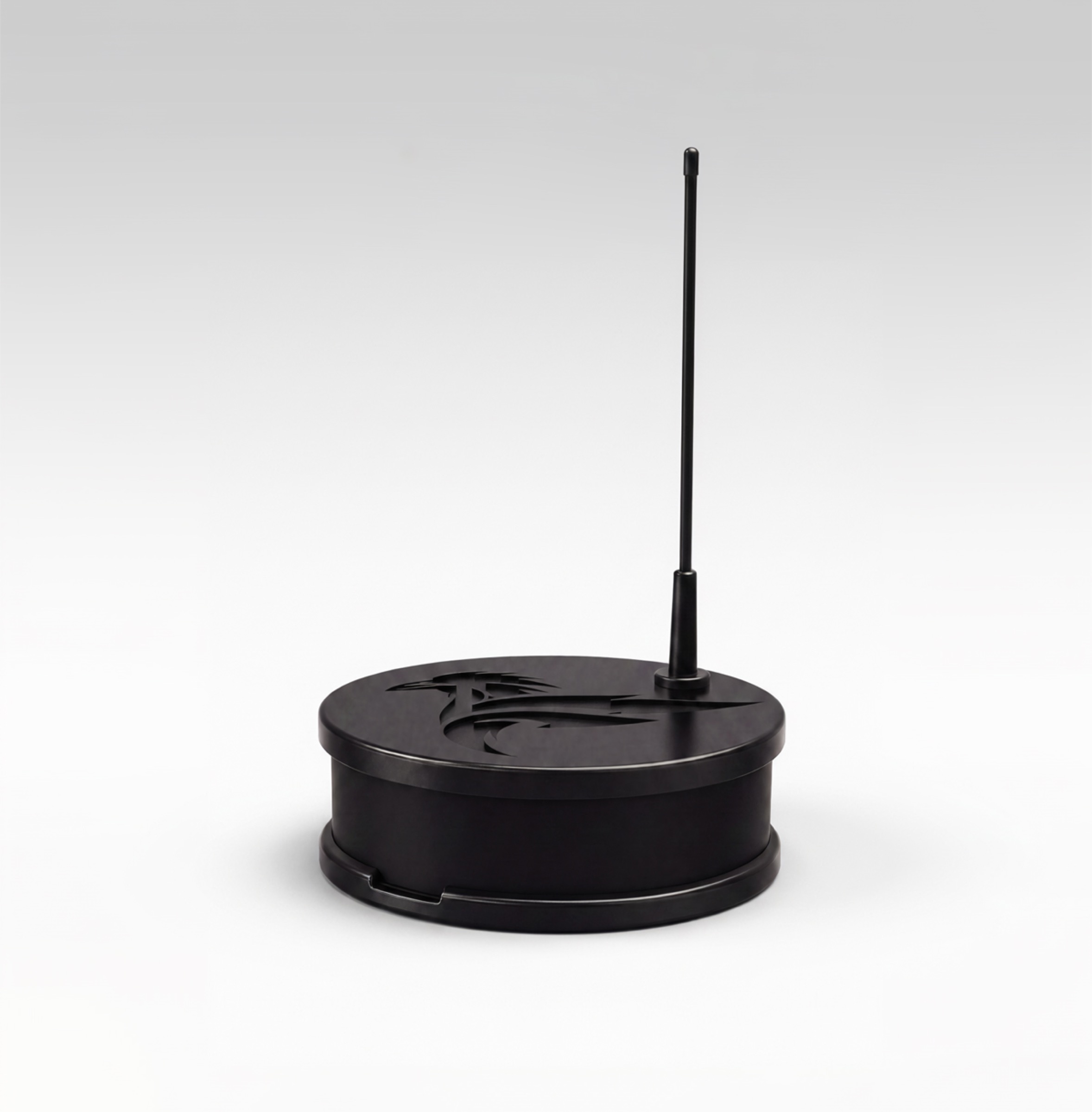
01
Raven Edge
Primary deployable intelligence node
The compute-intensive node. Mesh relay, aerial operations, ICS work, observation, and distraction.
Hosts forward C2
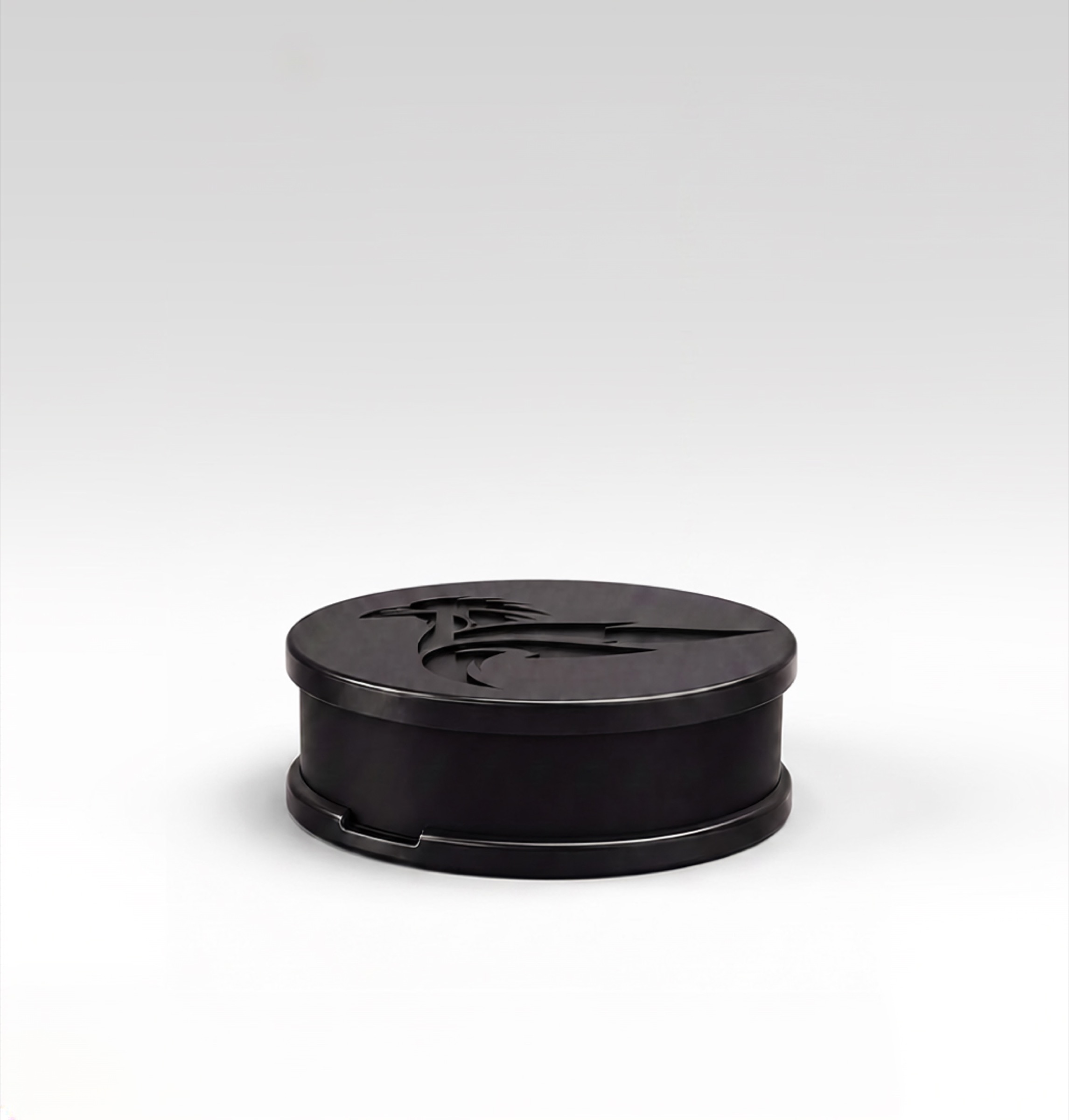
02
Raven Node
Endurance node
Distributed sensing and mesh participation where a node is deployed and left in place.
72+ hours on duty cycle
Specifications
- Endurance
- 72+ hours on duty cycle, extended with a 1W solar panel
- Deployment methods
- By hand, vehicle, or drone. No configuration or pairing.
- Mesh formation
- Self-forming, minutes from placement
- Command integration
- Reports into Raven Eye. Raven Edge can host forward C2.
- Band coverage and effects
- Available on verification
- Dimensions, weight, and enclosure rating
- Available on verification
Hardware Built to be Forgotten.