
The system
Four layers.One pipeline.
Raven Eye, SEIDR, Raven Net, and the Ravens are not separate tools. Together they take a unit from unknown payload to trained, deployed operator in under 24 hours, in theater, without CONUS support.
Capability arrives faster than units can validate it.
A unit receives a payload with no datasheet. Confirming how it behaves on the air means shipping it to a lab in CONUS and waiting weeks, or flying it unverified. Integration, training, and C2 each carry their own dependency on a link home. By the time the capability is usable, the mission has moved.
The pipeline, in order
Step 1Characterize
SEIDR
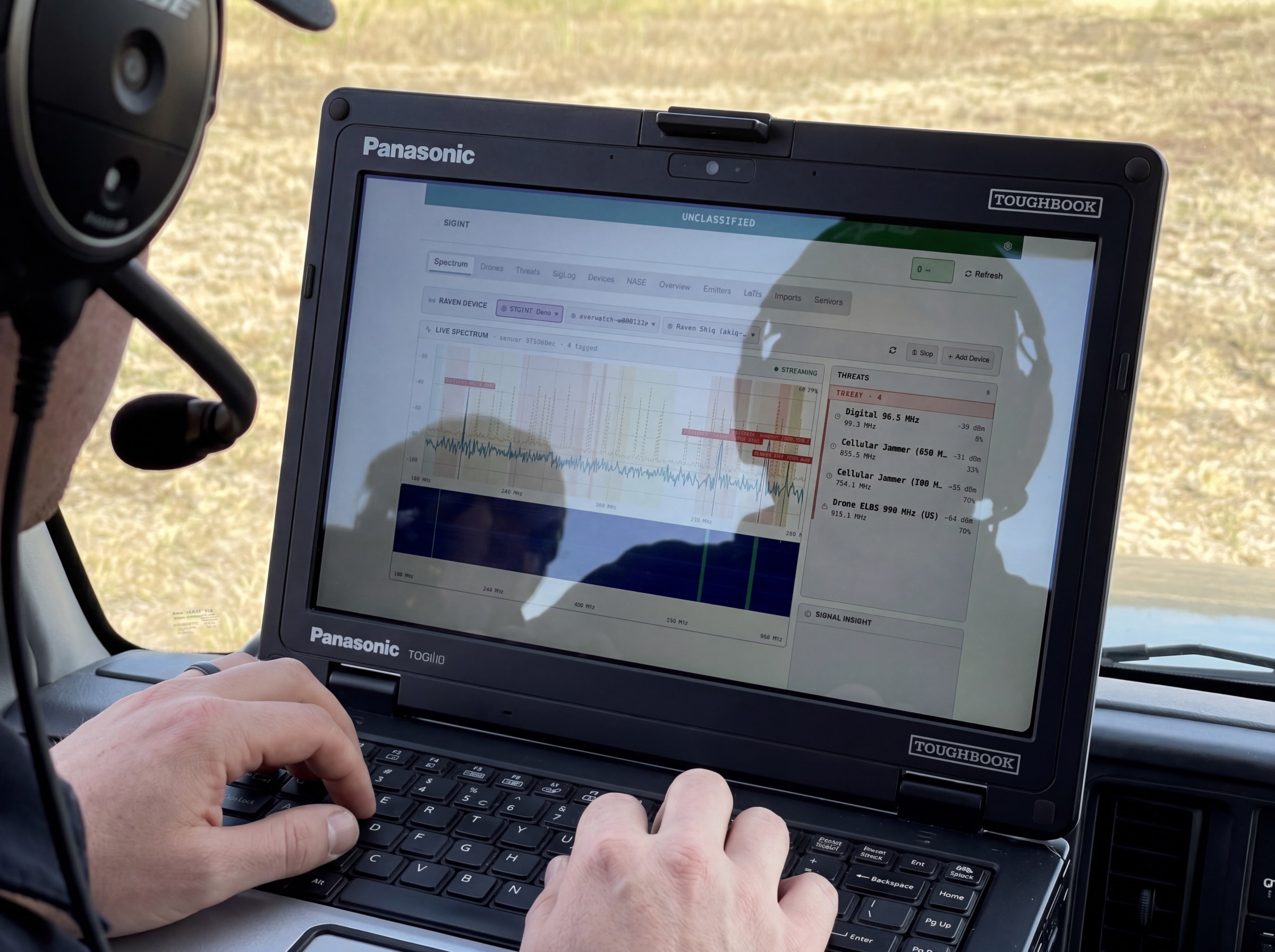
Characterize the payload and assess whether it is exploitable, before it goes operational.
Under 60 minutes, in theater
Step 2Deploy
Ravens
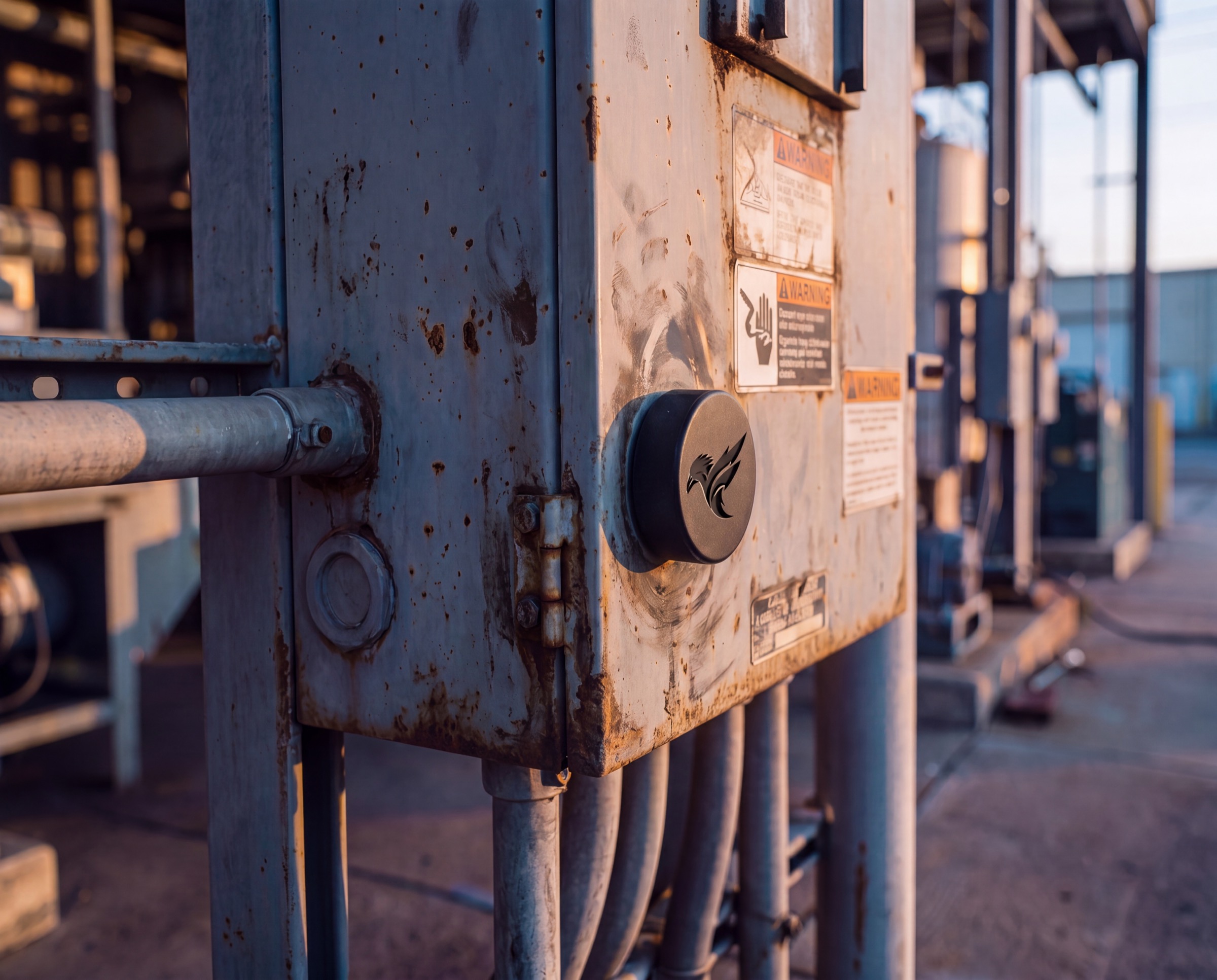
Deploy sensing and effect at the edge, where an operator cannot remain.
72+ hours per node
Step 3Connect
Raven Net
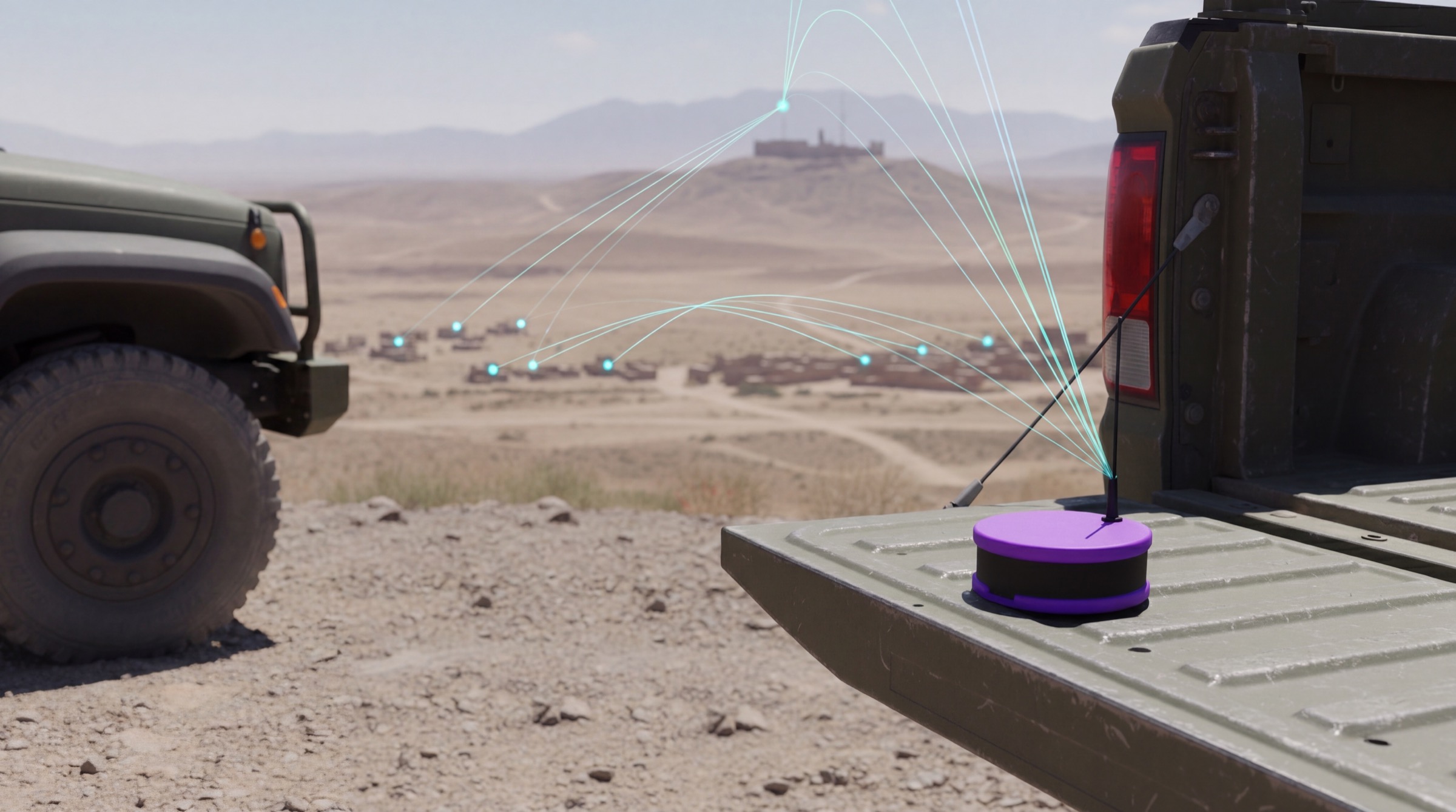
Hold the link when primary C2 is unavailable, monitored, or jammed. No infrastructure to erect.
Self-forming in minutes
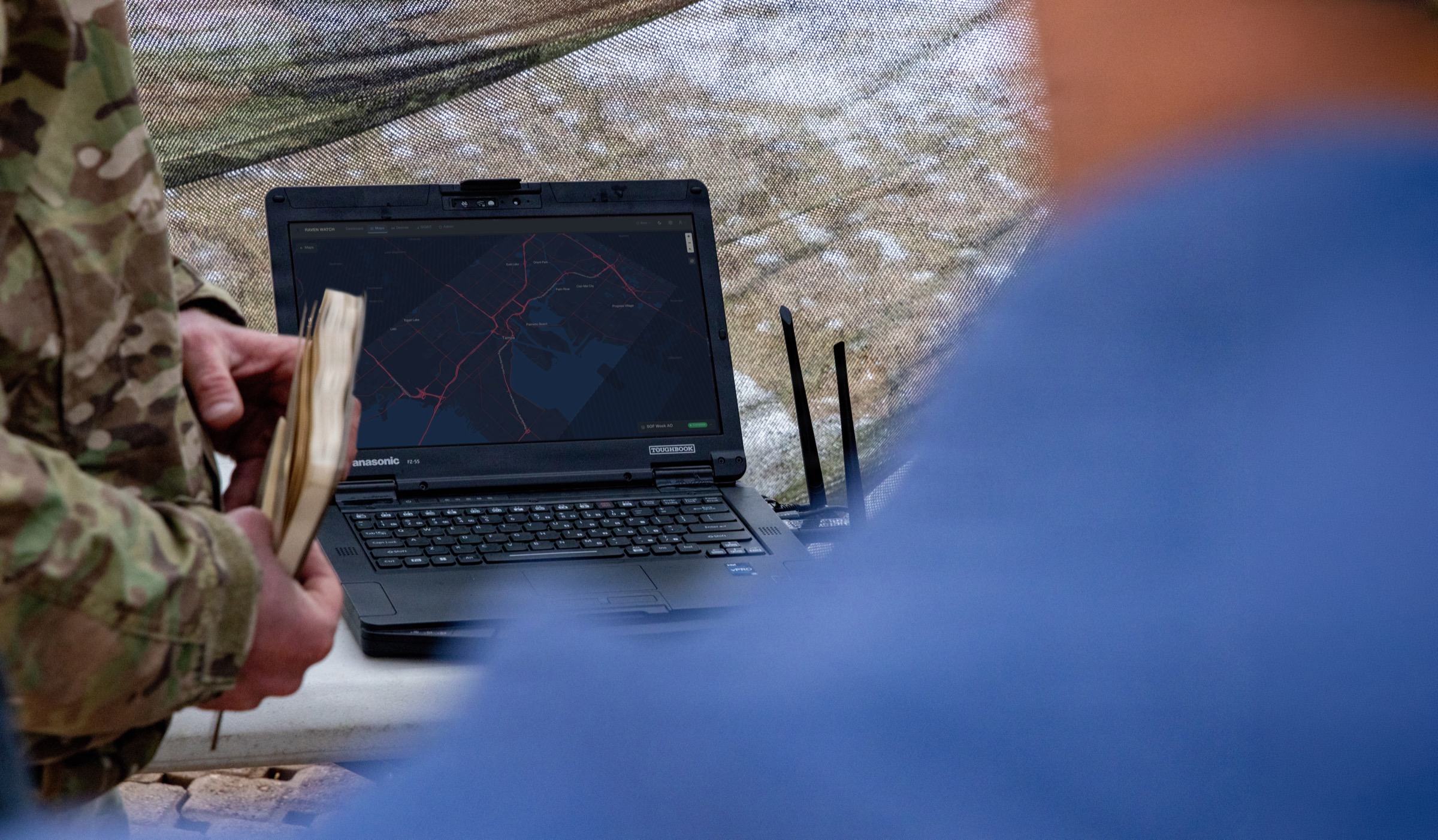
Step 4Command
Raven Eye
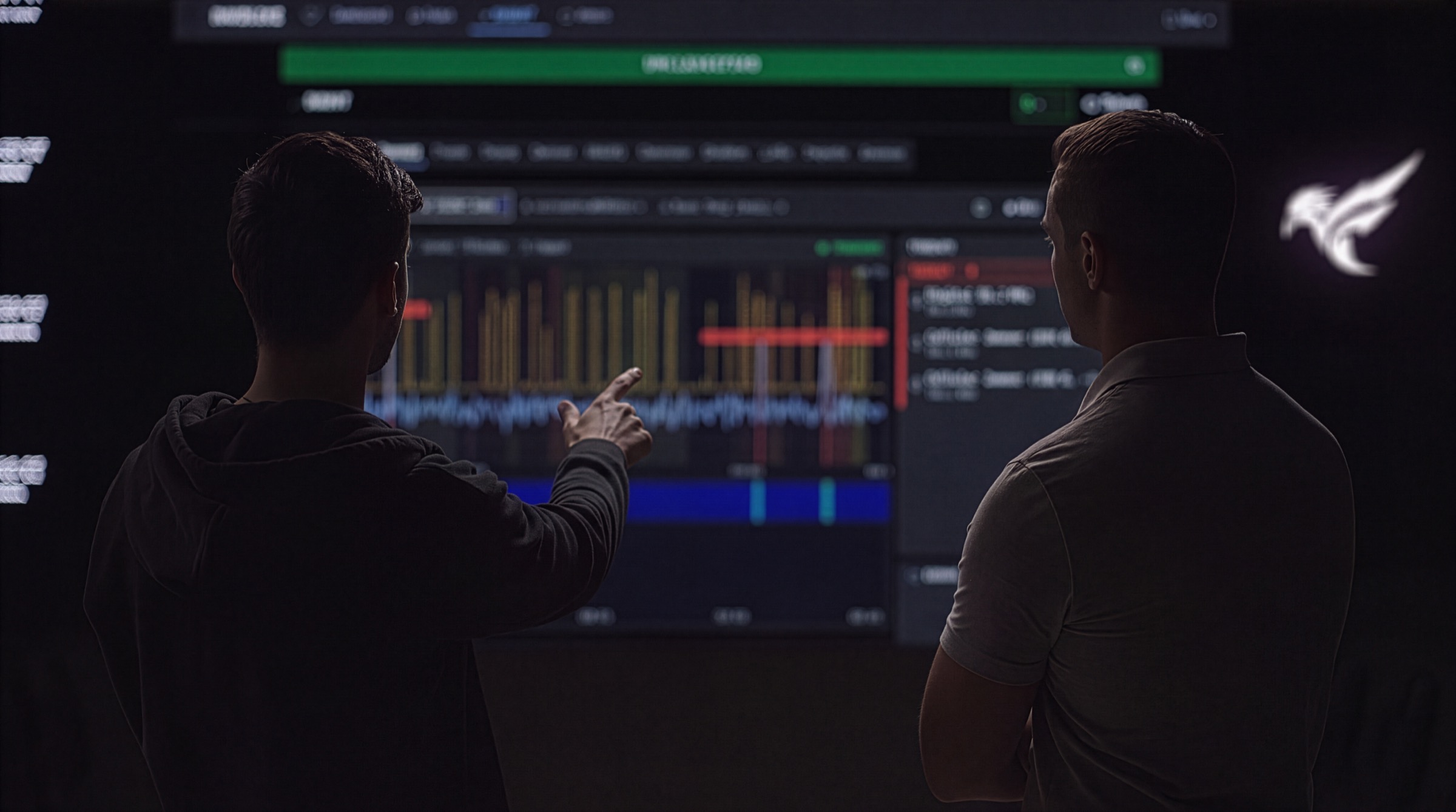
Correlate every feed and run the operation from one screen, with no cloud and no server.
Outputs to TAK via CoT XML
Who this is for
- Program offices fielding RF and EW capability
- Validation and training timelines that do not fit the deployment schedule
- Units operating without reliable reach-back
- C2 and sensing where the network is contested or absent
- Prime contractors integrating third-party payloads
- Characterization of hardware arriving without documentation
- Allied defense ministries
- Subject to export authorization